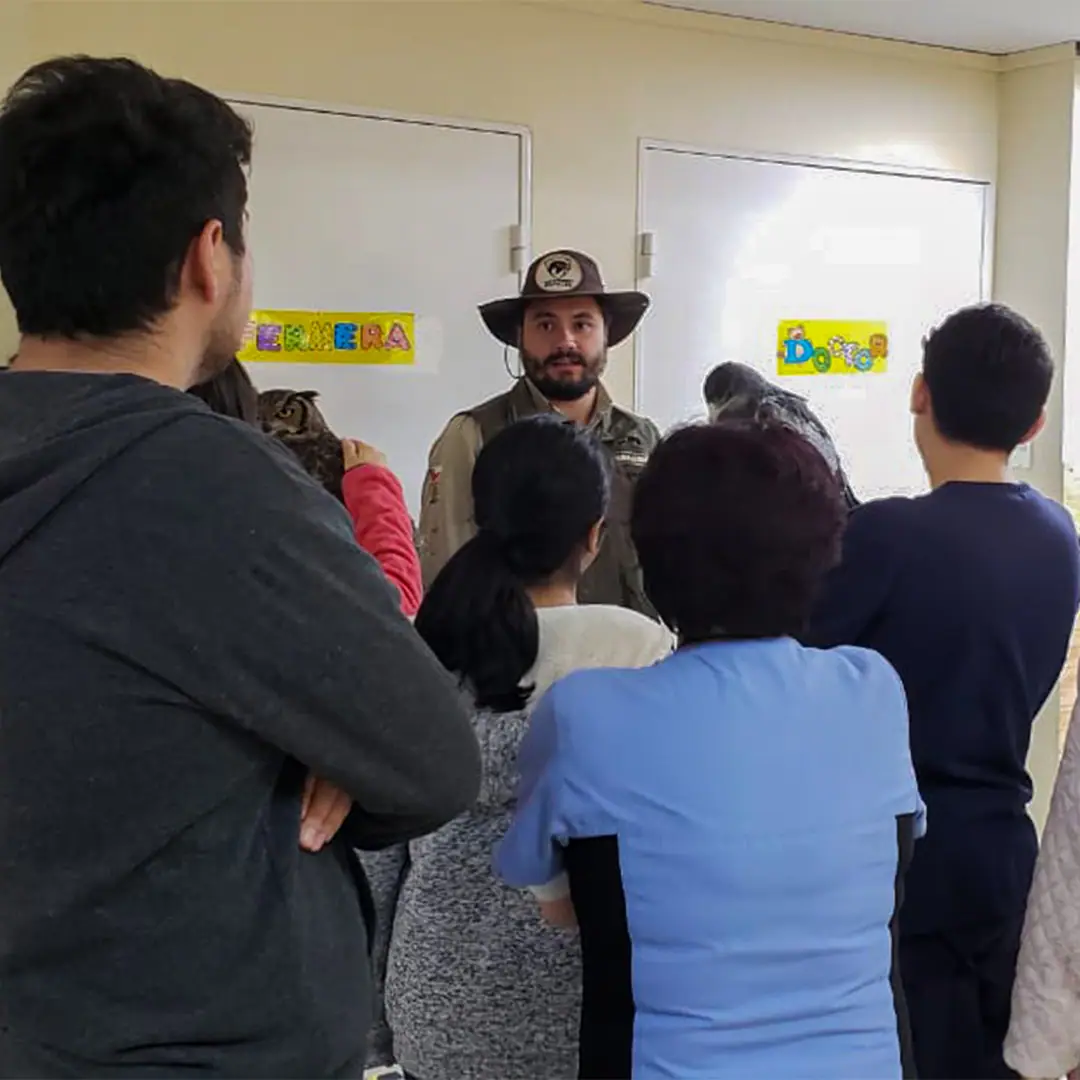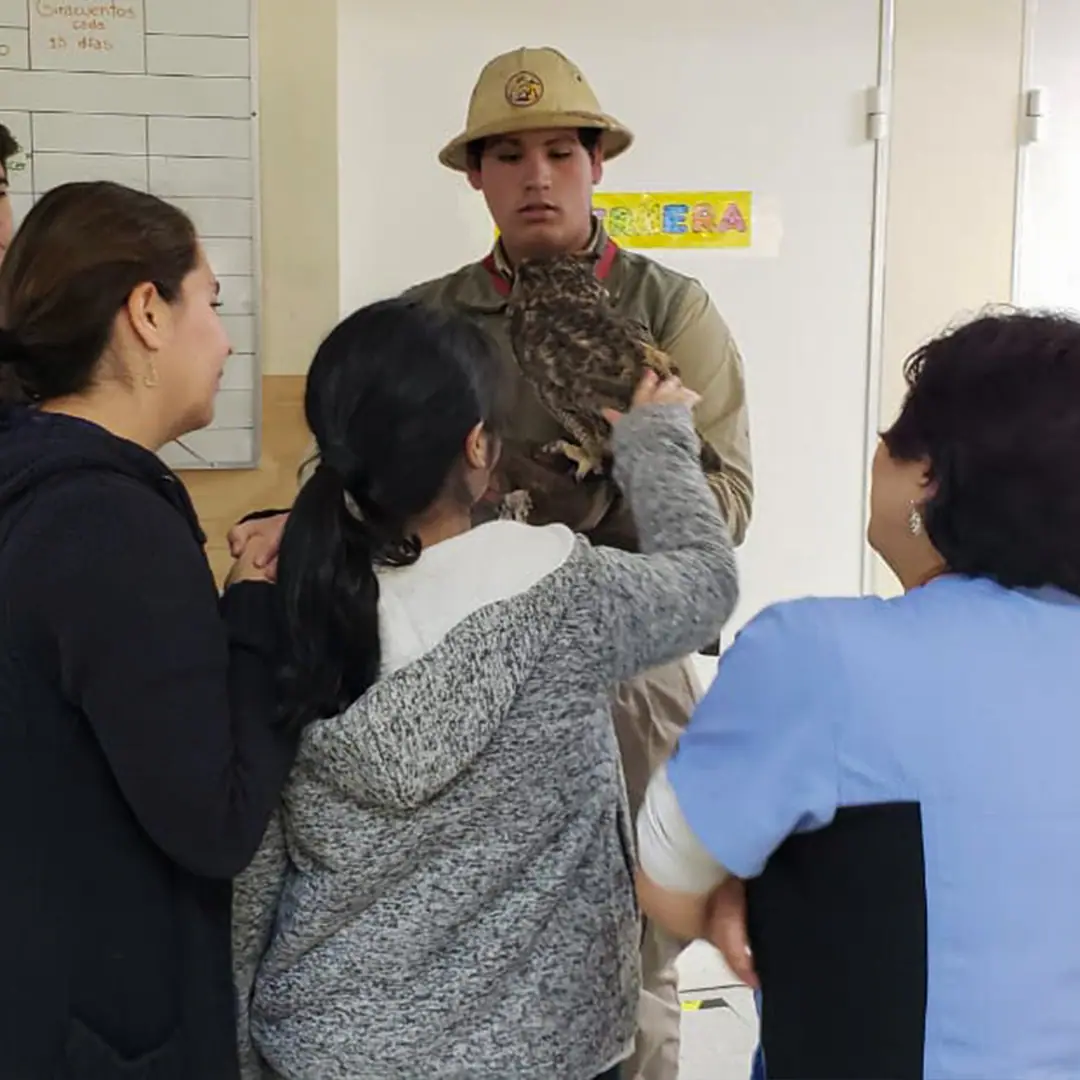
The use of animals to help accelerate and improve therapeutic processes has become increasingly important in the medical field, due to the clear motivation they generate in patients, resulting in a better predisposition to the therapist and to the proposed therapeutic activity.
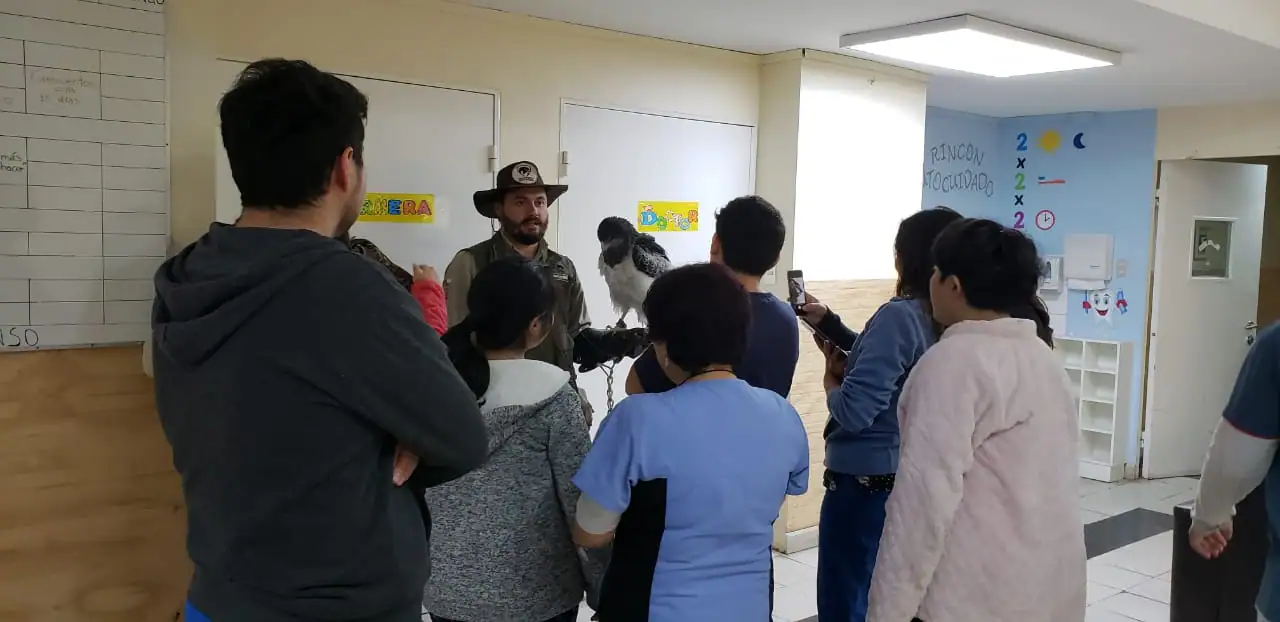
When these activities are carried out through serious programs, with trained personnel, with realistic objectives and expectations, progress can be remarkable. Based on this premise, for the past two years, Buinzoo he has been implementing a program of assisted visits with animals, in some rooms of the Luis Calvo Mackenna Hospital, the National House of SENAME, in the Short Stay Psychiatry Unit, the Crescendo Foundation and the La Esperanza Children’s Home. In each of these institutions, we work closely with therapists or patient managers, who set the objectives, participate in the sessions and evaluate the results obtained over time. On the other hand, those of us who take care of animals work on their socialization and training, to provide maximum safety when interacting with patients and at the same time, when working with animals with a certain degree of training, they offer us a wide range of behaviors, which allow us to carry out various activities and games that we make available to professionals in charge of patients to carry out therapeutic sessions. When animals are incorporated into these practices, two reactions are generated that clearly make a difference in the patient’s attitude, “Motivation” and “Implication”.
The first plays a fundamental role in retaining learning, since learning “playing” or learning “motivated by the game” translates into an entertaining experience where the concepts learned are more difficult to forget. The second is related to the fact that the patient becomes complicit with the animal, and is involved in the proposed activity, participating more actively in it. Both influence increasing levels of exercise tolerance and even overcoming physical pain, greater concentration, and, in general, a better predisposition to complete exercises or therapeutic routines.
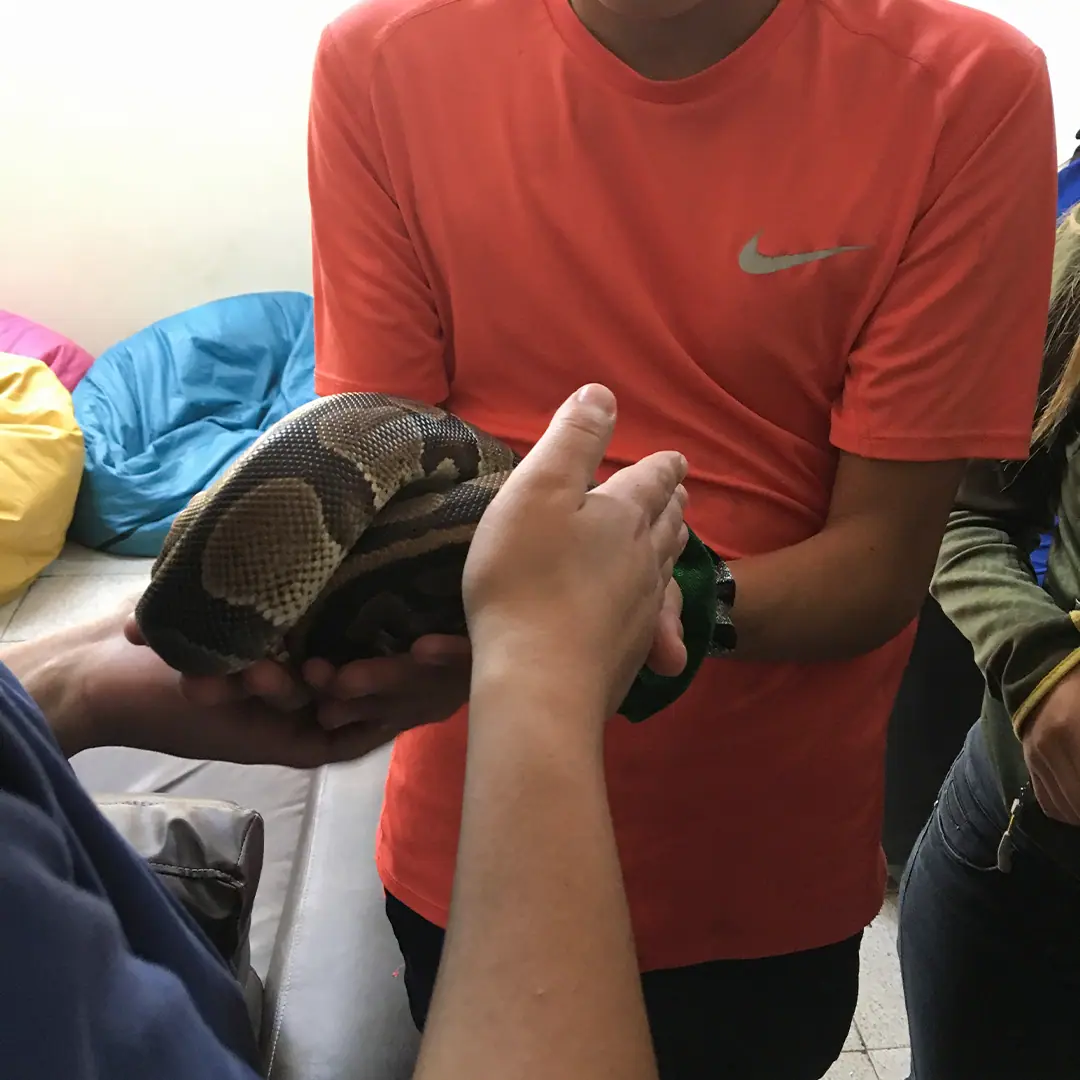
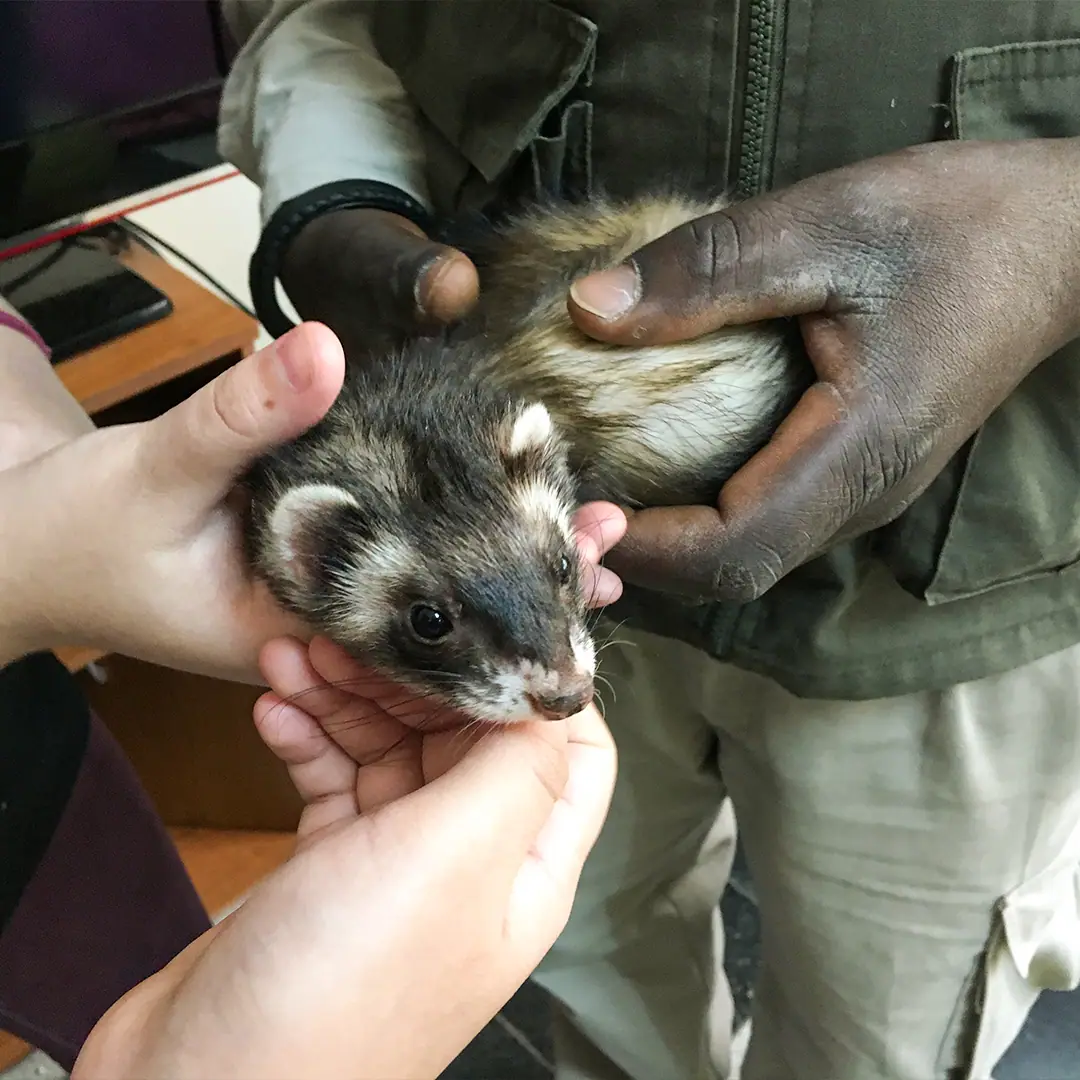
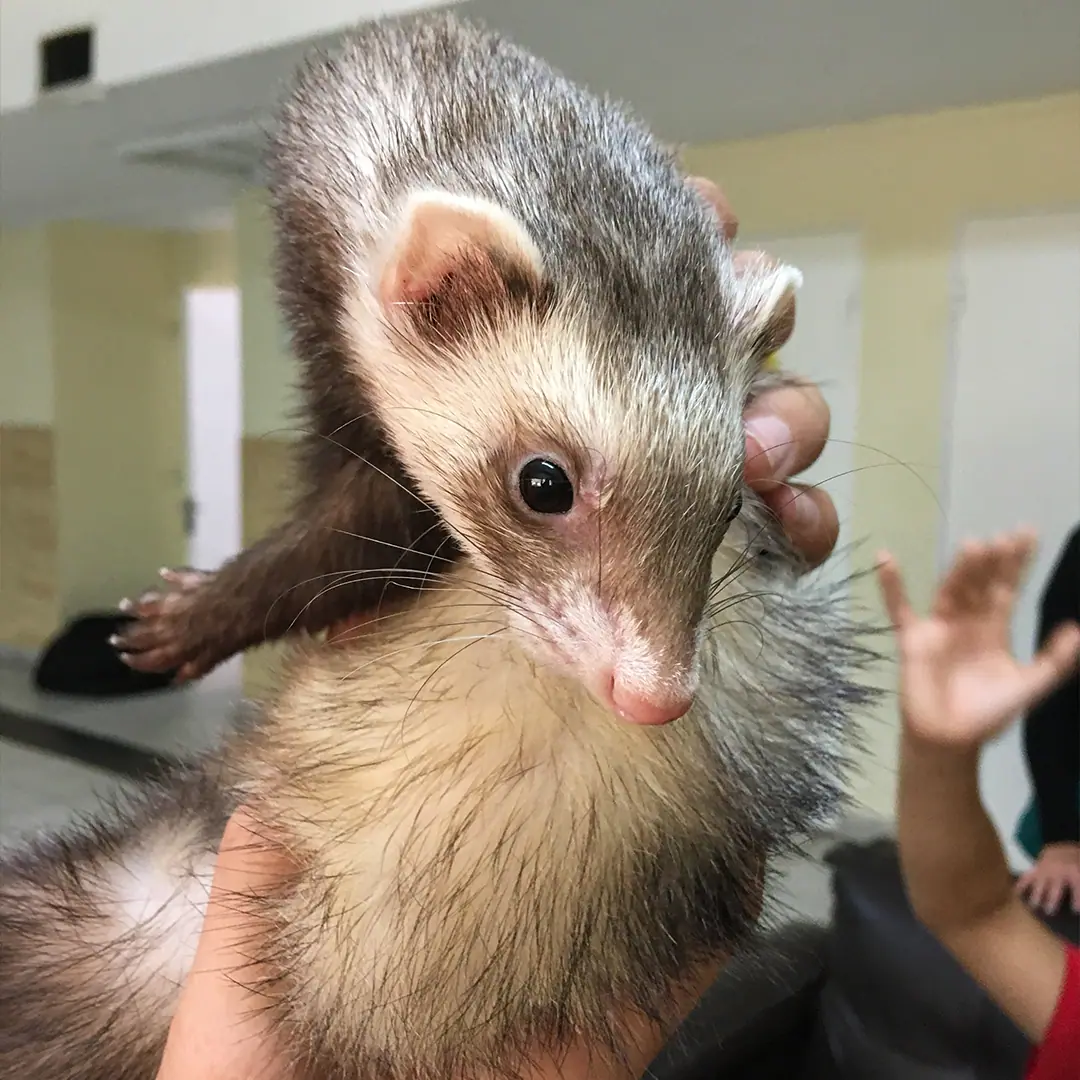
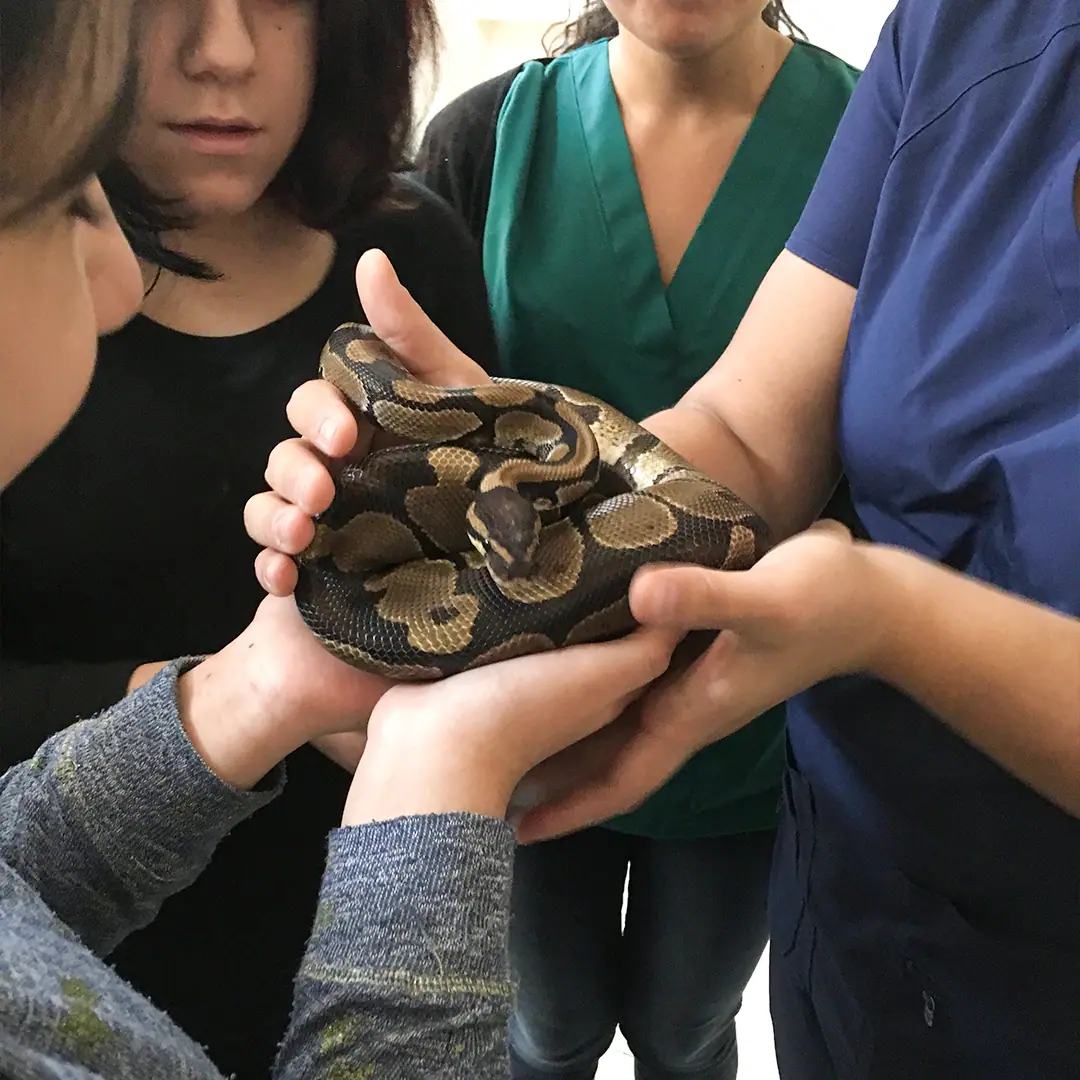
To carry out the program, a wide variety of both domestic and exotic animal species have been selected, such as ferrets, rabbits, chinchillas, parrots, guinea pigs, dogs, reptiles, etc., generating, from the point of view of the senses, a universe of shapes, sizes, colors, smells, textures, etc., and from the point of view of emotions, a wide range of feelings and reactions that patients experience when faced with the presence of these animals. This diversity of animals, therefore, is also a fundamental contribution to working on “sensory integration”, that is, providing the central nervous system with sufficient stimulation, information and life experience, so that the child can integrate and organize in such a way as to give a coherent response each time he is exposed to similar sensory stimuli in the future.
As we mentioned before, all animals undergo a socialization and training routine starting from the first months of life. This aims to reduce anxiety and stress levels in animals. Socialization should allow animals to be able to maintain adequate behavior in the face of the presence or when interacting with other animals, to transport, to be in unknown places, to tolerate the presence of strange people, smells, noises, etc. For their part, the Clicker technique is used for training and works almost exclusively with positive reinforcements. This allows us to keep animals motivated and to manifest a greater number of behaviors, which are selected (reinforced or ignored) and refined through techniques such as targeting, luring and modeling.