We invite you to learn about the Huemul conservation program
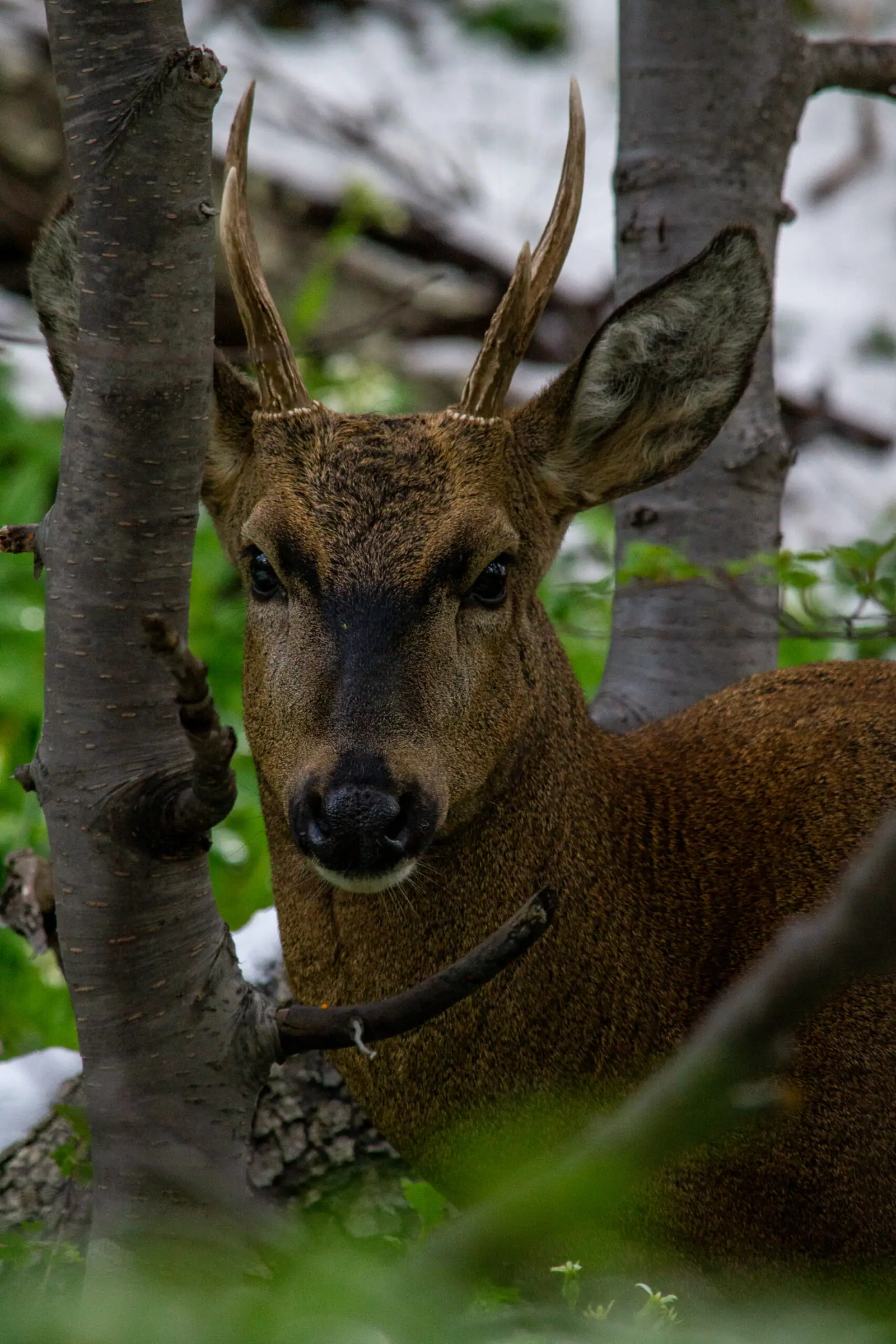
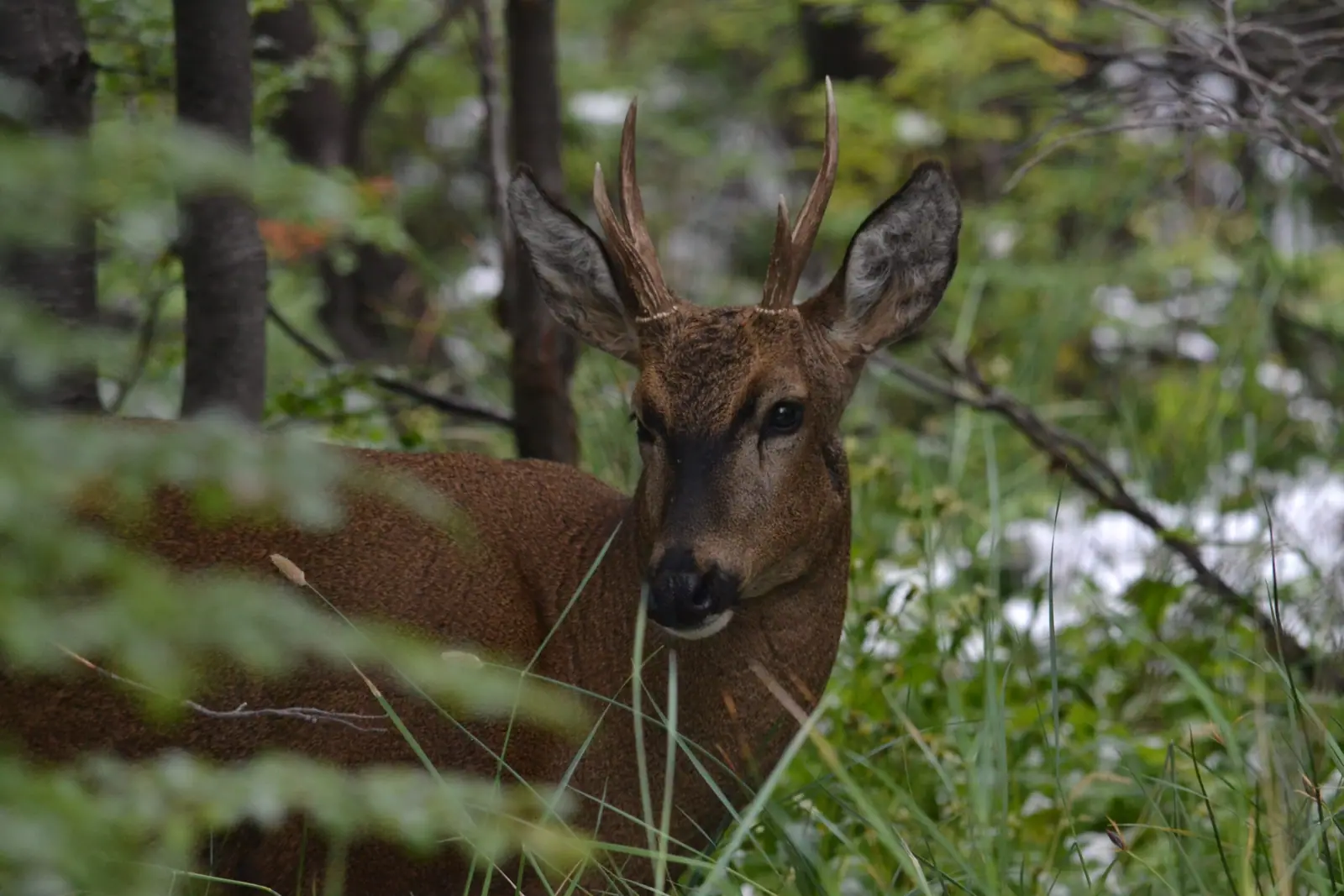
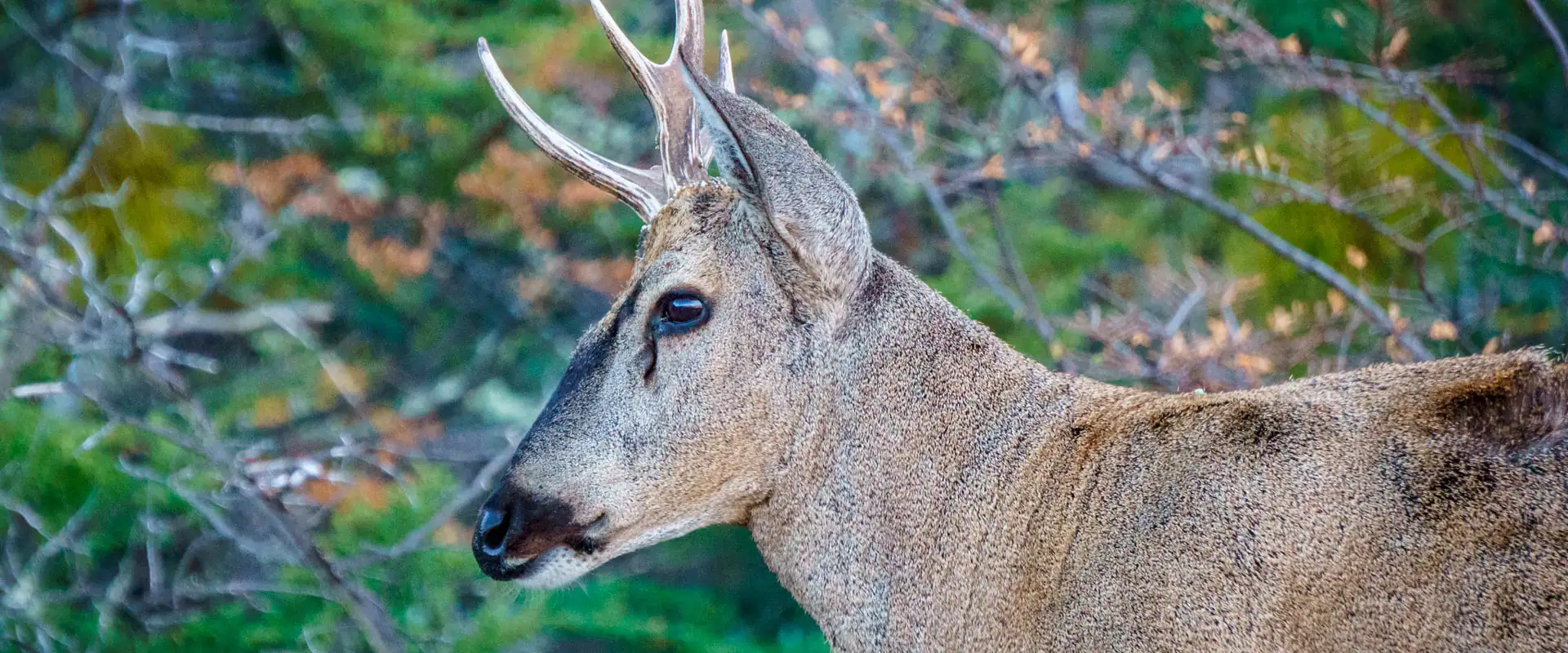
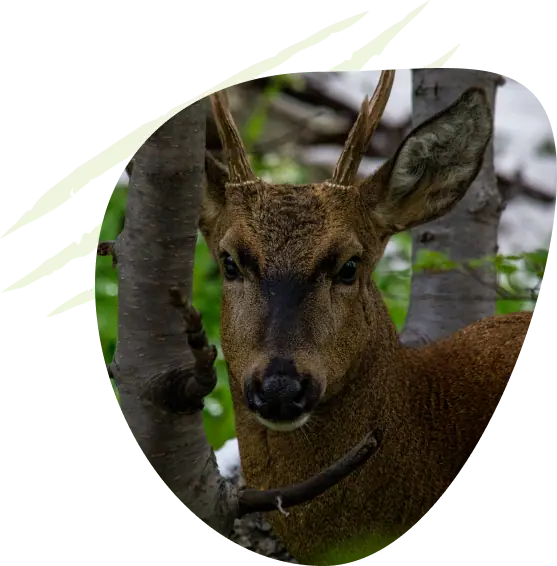
The huemul (Hippocamelus bisulcus), with a population of less than 1,500 specimens between Chile and Argentina, is one of the most threatened deer species in the world and the most emblematic mammal in Chile, since it is present in the national coat of arms. In our country, its distribution is discontinuous, with a small population (less than 100 animals) between Ñuble and Biobío, and several subpopulations in the regions of Los Lagos and Magallanes. It is categorized as “endangered” by the International Union for Conservation of Nature (IUCN), due to threats such as:
- Dog attacks.
- Habitat fragmentation by human activities such as livestock, agriculture, urban planning and poaching.
- Introduction of exotic species.
- Infectious diseases.
In 2018, it Fundación Buin Zoobegan its huemul conservation program, focused on characterizing the problems associated with livestock, invasive exotic species such as red deer, lady deer and wild boar, and infectious diseases in the Magallanes region. Since then, new objectives associated with collaborations with local and international universities have been added, such as the prospecting of populations in understudied areas, such as Isla Riesco, the investigation of the genome of the species and its relationship with evolutionary aspects, and the extension of the geographical scope of study of huemul to all of Chile.
Thanks to these alliances, important results have been achieved, including:
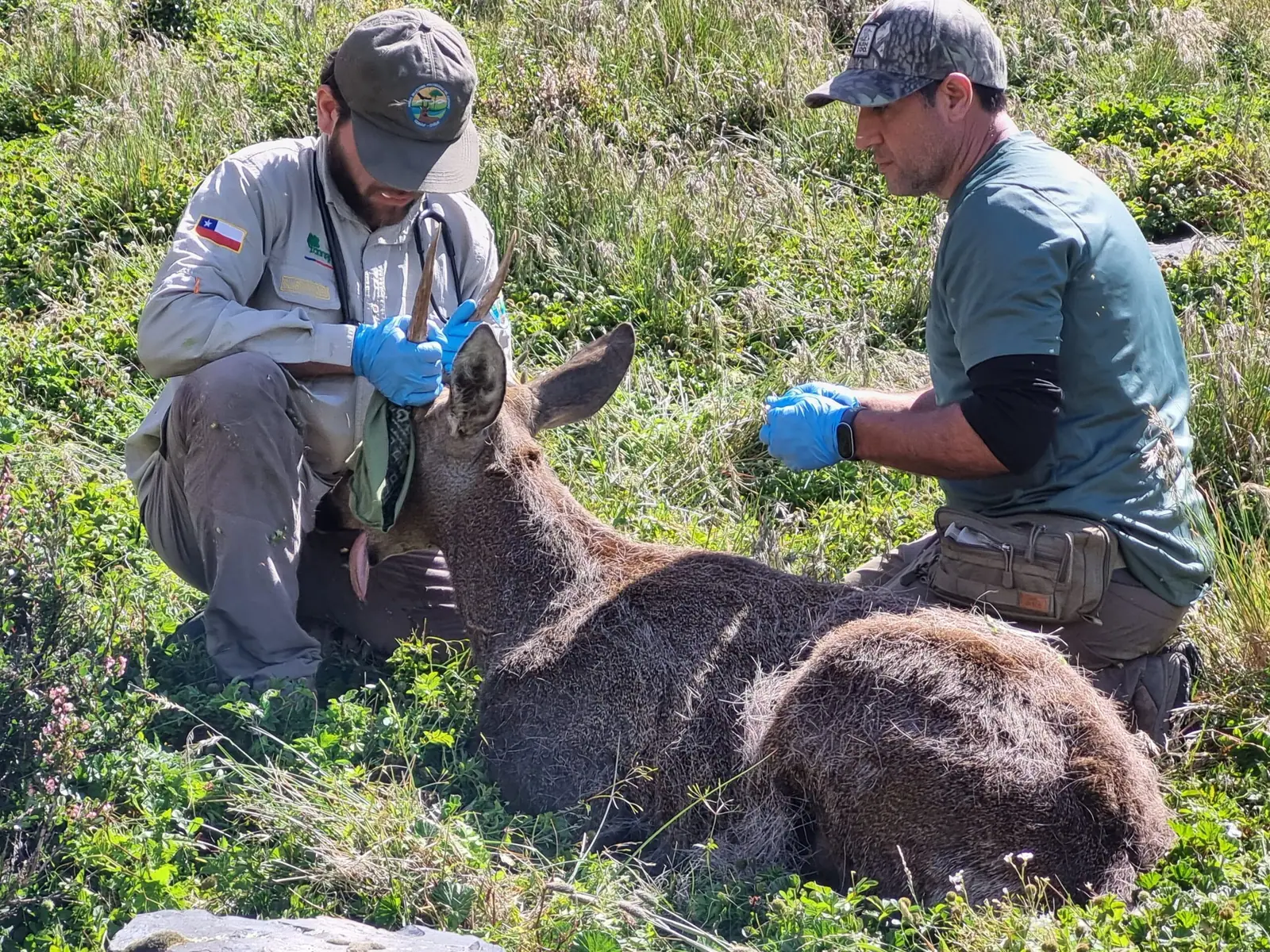
Capture and release: Nine huemules were captured, monitored by veterinarians and immediately released in the Pingo, British Valley, Francés, Hotel Explora and Ascencio Valley sectors of the Torres del Paine National Park. Fortunately, all the animals were in optimal health and without clinical signs of diseases.
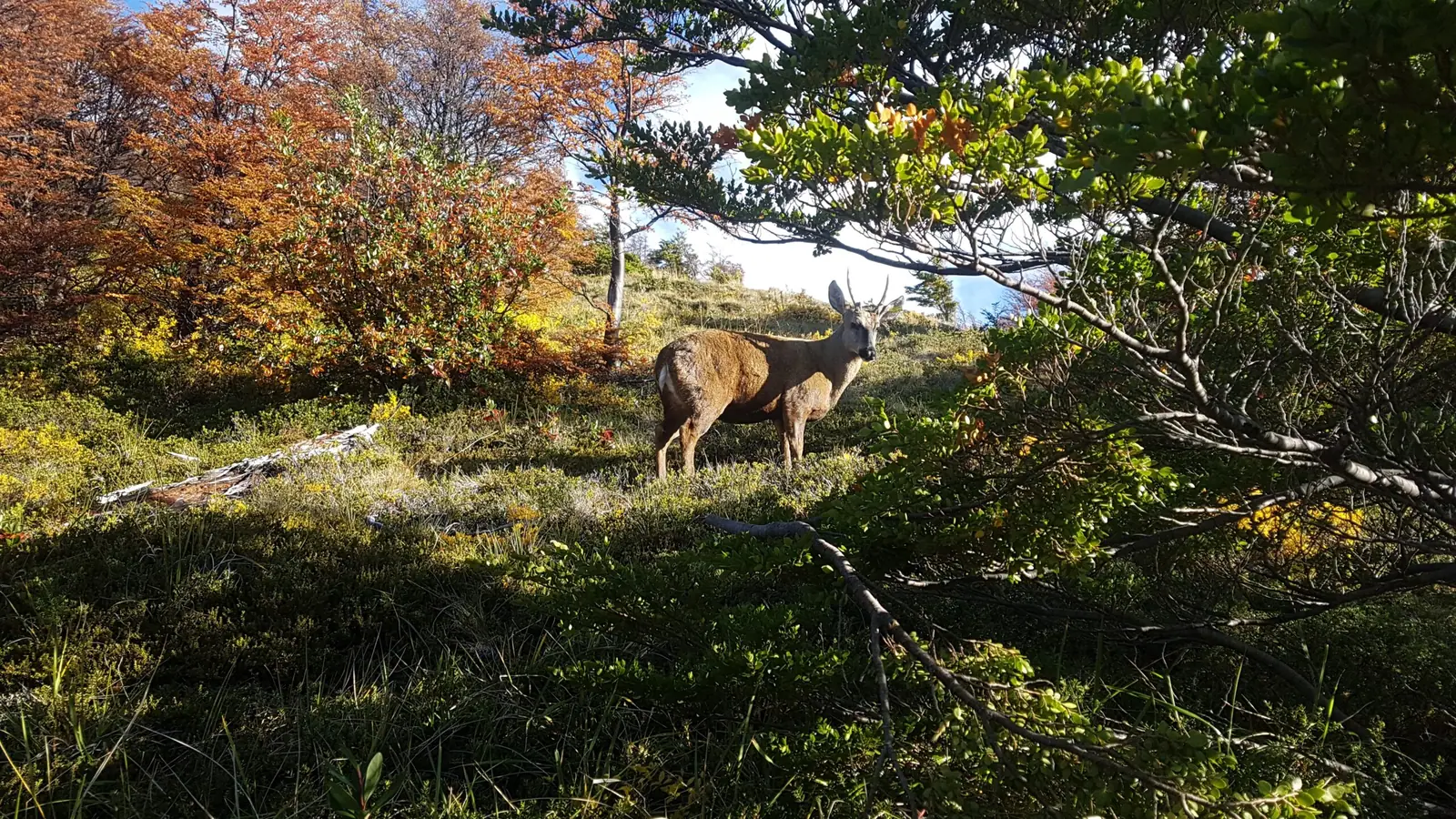
Population rediscovery: The huemule population of the Kawésqar National Park has been rediscovered in the Cabo León sector of Isla Riesco, observing five animals in excellent health conditions, which allows us to hope for the future of the species.
Epidemiological studies: Epidemiological studies in huemules in Kawésqar and Torres del Paine National Parks have detected a new bacteria and virus for the species (Mycobacterium avium and Pudu gammaherpesvirus).
These findings and advances underscore the importance of conservation and collaborative effort to protect the huemul and ensure its long-term survival. La Fundación Buin Zoo will continue to work hard to preserve this national symbol and its natural habitat.
Publications/Dissemination
<details> <summary>View all scientific publications</summary>WoS scientific publications
-
Moreira-Arce D, Peñaranda DA, Lopéz R, Stipicic GJ, Hidalgo-Hermoso E, Simonetti JA (2021) Observations of a coastal population of huemul, Hippocamelus bisulcus (Artiodactyla: Cervidae) in Riesco Island, Magallanes region, Chile: a conservation opportunity. Mammalia 85:291 —295. < https://doi.org/10.1515/mammalia-2020-0108 >
-
Hidalgo-Hermoso E, Ruiz-Fons F, Cabello-Stom J, Ramírez N, López R, Sánchez F, Mansell M, Sanchez C, Simonetti JA, Peñaranda D, Stipicic G, Moreira-Arce D, Cariñanos A, Barría I, Silva A, Millán J, Esperón F. Lack of Exposure to Mycobacterium bovis and Mycobacterium avium subsp. paratuberculosis in Chilean Cervids, and Evidence of a New Mycobacterium-Like Sequence. J Wild Dis. 2022 Jul 1; 58 (3) :680-684. doi: 10.7589/JWD-D-21-00135. PMID: 35512300.
-
Hidalgo-Hermoso E, Cabello J, Lopez R, Vergara-Wilson V, Vera F, Valencia C, Sanchez C, Celis S, Silva A, Cariñanos A, Barria I, Vicencio R, Muñoz-Leal S, Aravena P, Lagos R, Toro-Letelier J, Verasay-Caviedes S, Garnham A, Peña I, Sánchez F, Moreira-Arce D, Vergara PM, Alegria-Moran R, Cortes-Hinojosa G. Molecular and phylogenetic analysis of endangered herpesviruses ranging cervids of Chile: ovine gammaherpesvirus-2-a novel threat to wild and domestic animal health in Chilean Patagonia. Front Vet Sci. 2024 Feb 1; 10:1321172. doi:10.3389/fvets.2023.1321172. PMID: 38362467; PMCID: PMC10867328.
Book chapters
Sanchez-Vazquez, M.J., Hidalgo-Hermoso, E., Cacho-Zanette, L., de Campos-Binder, L., Rivera, A., Molina-Flores, B., Maia-Elkhoury, A., Schneider-Vianna, R., Valadas, S., Natal-Vigilato, M.A. et al. (2021). Characteristics and perspectives of disease at the wildlife-livestock interface in Central and South America. In: Vicente, J., Vercauteren, K.C., Gortázar, C. Editors. Diseases at the wildlife-livestock interface. Wildlife Research Monographs. vol 3. Springer, Cham.
</details>Current and past researchers who have collaborated with the Huemul Conservation Program (2018-2024)
<details> <summary>See all researchers</summary>- Fernando Esperón MV PhD European University, Spain.
- Rodrigo López Rubke Marine Biologist. NGO Aumen
- Alejandra Silva. MV Conaf Magallanes.
- Javier Simonetti. Biologist. PhD. University of Chile.
- Cortes Galaxy. MV. Ms. Catholic University.
- Sebastian Munoz Leal. MV PhD University of Concepción.
- Dario Moreira. Biologist Ms PhD. University of Santiago de Chile.
- Juliana Vianna. Biologist PhD Catholic University.
- Cristian Alvarez. MV. PhD. Catholic University.
- Gonzalo Barriga. Biotechnologist. PhD. University of Chile.
- Ananda Muller. MV PhD Austral University
- Jose Mauricio Barbanti. MV. PhD. University of the State of Sao Paulo.
- Lucia Azócar. MV PhD University of Concepción.