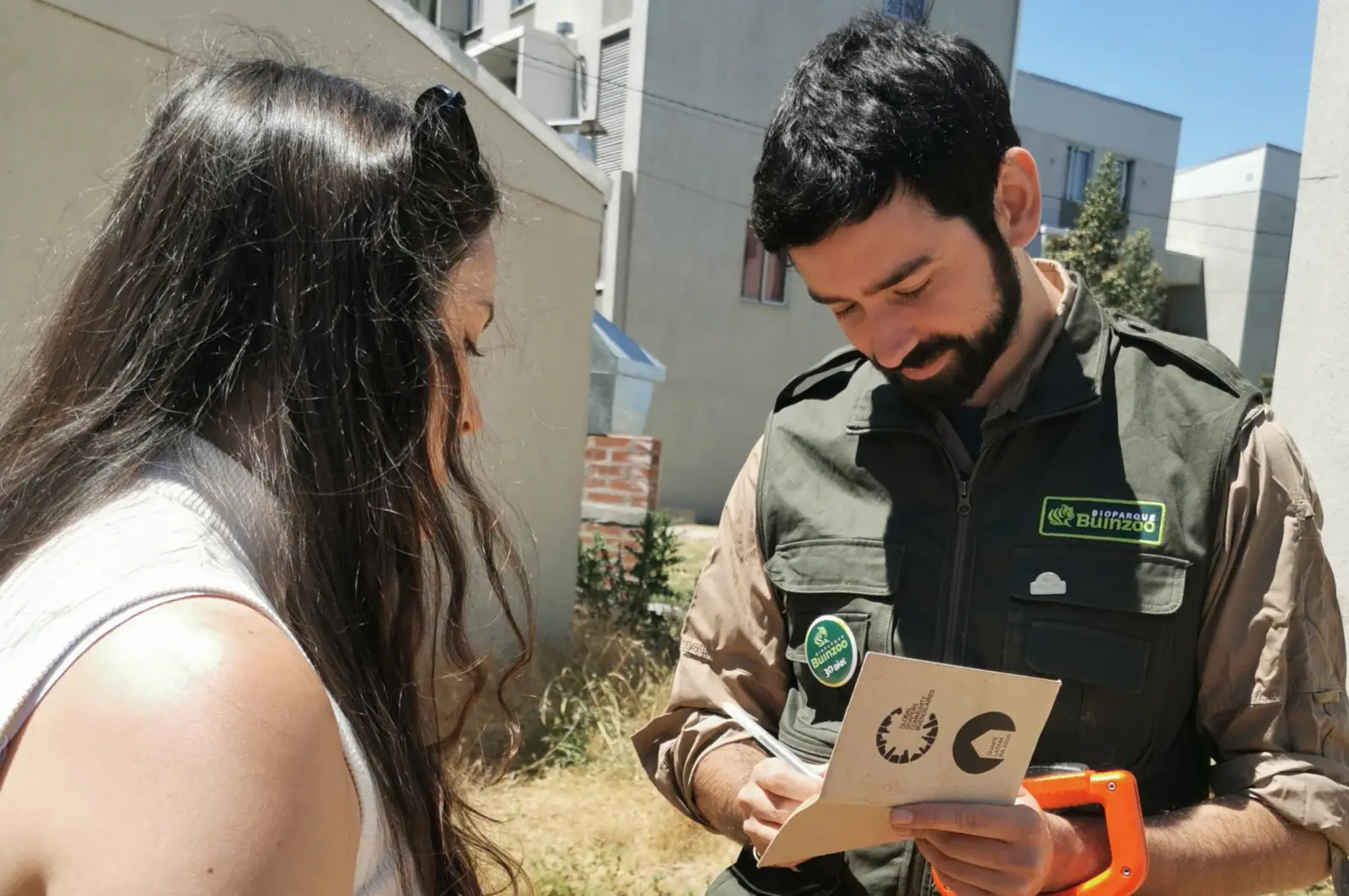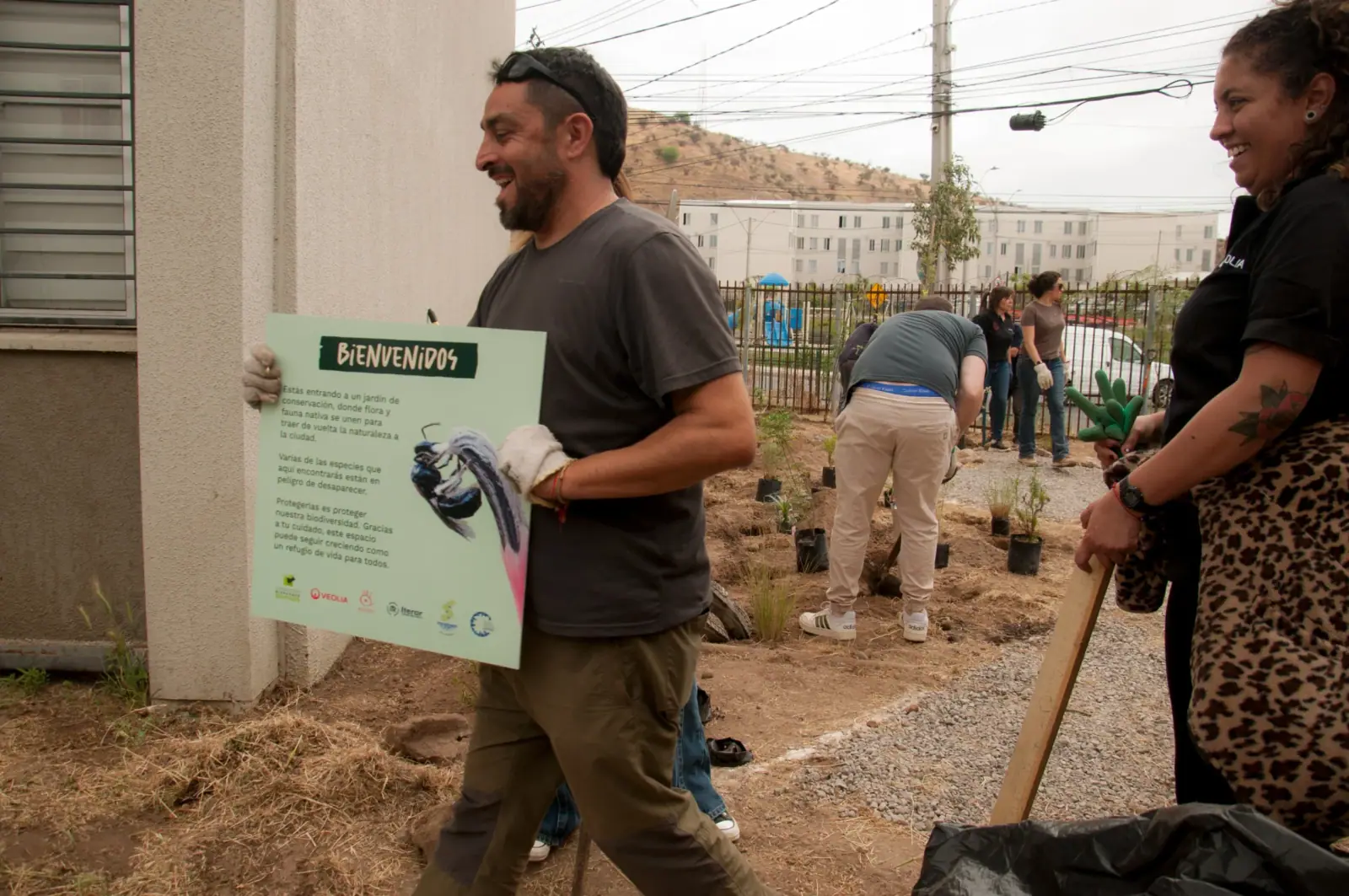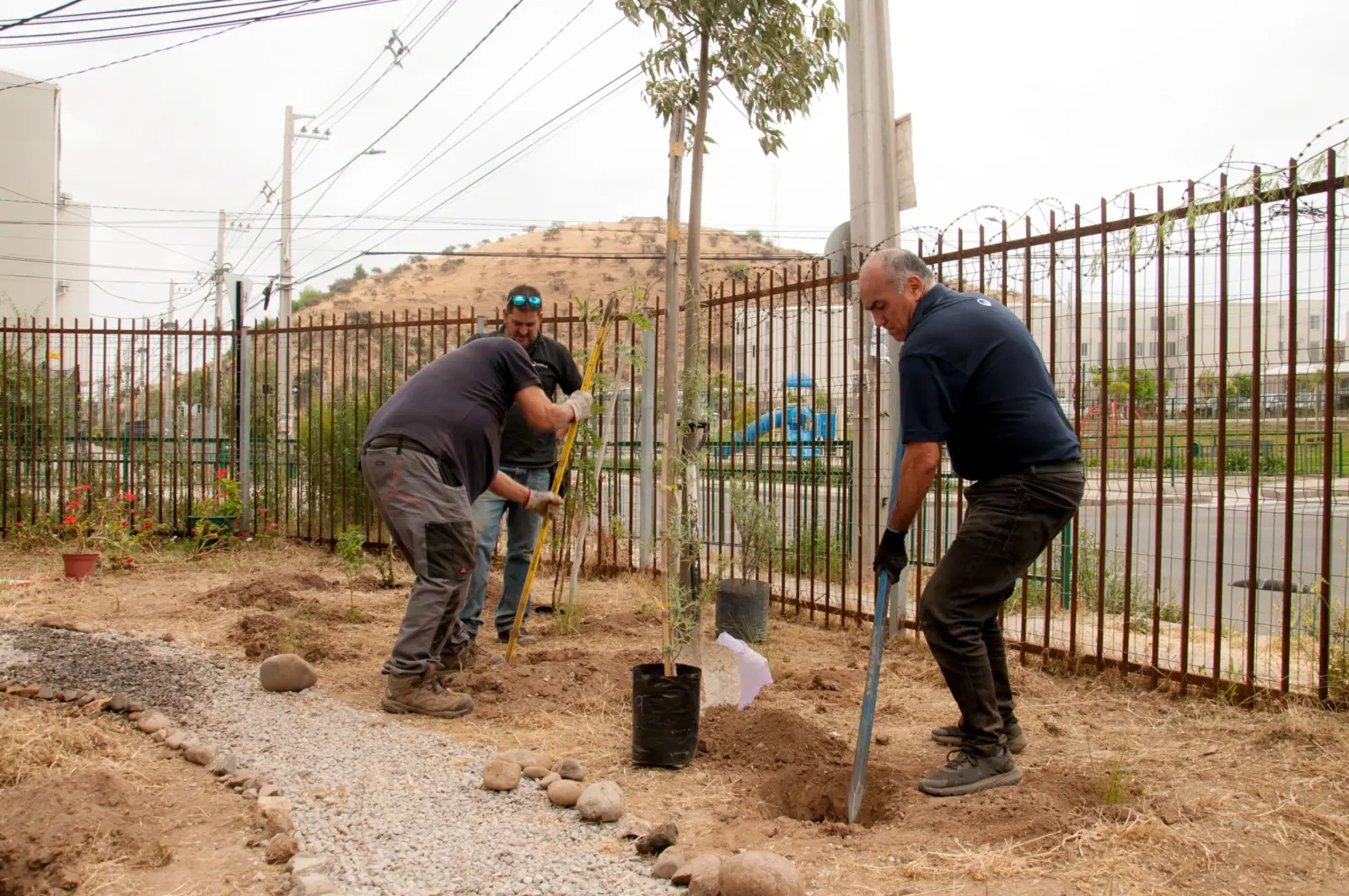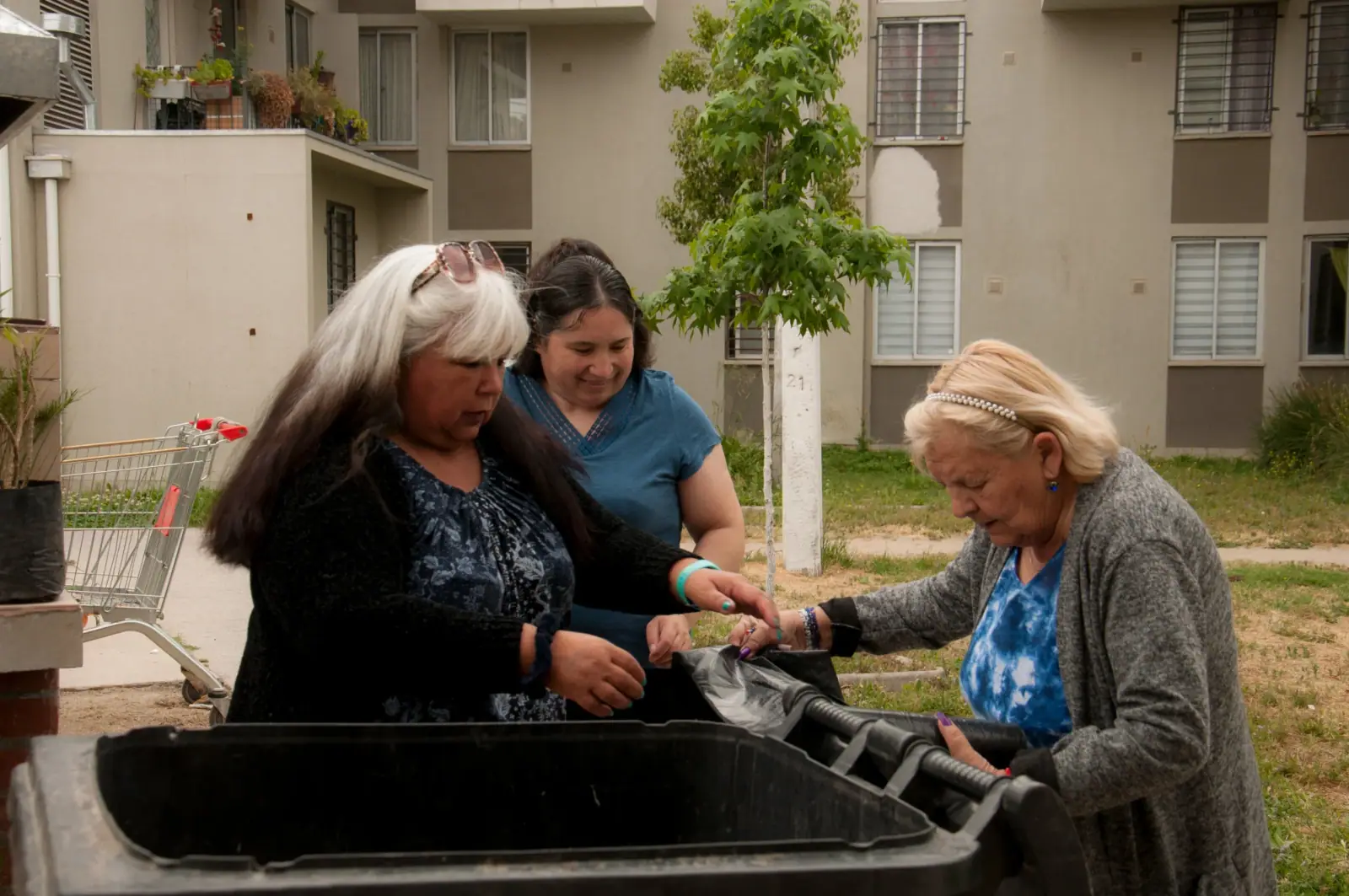
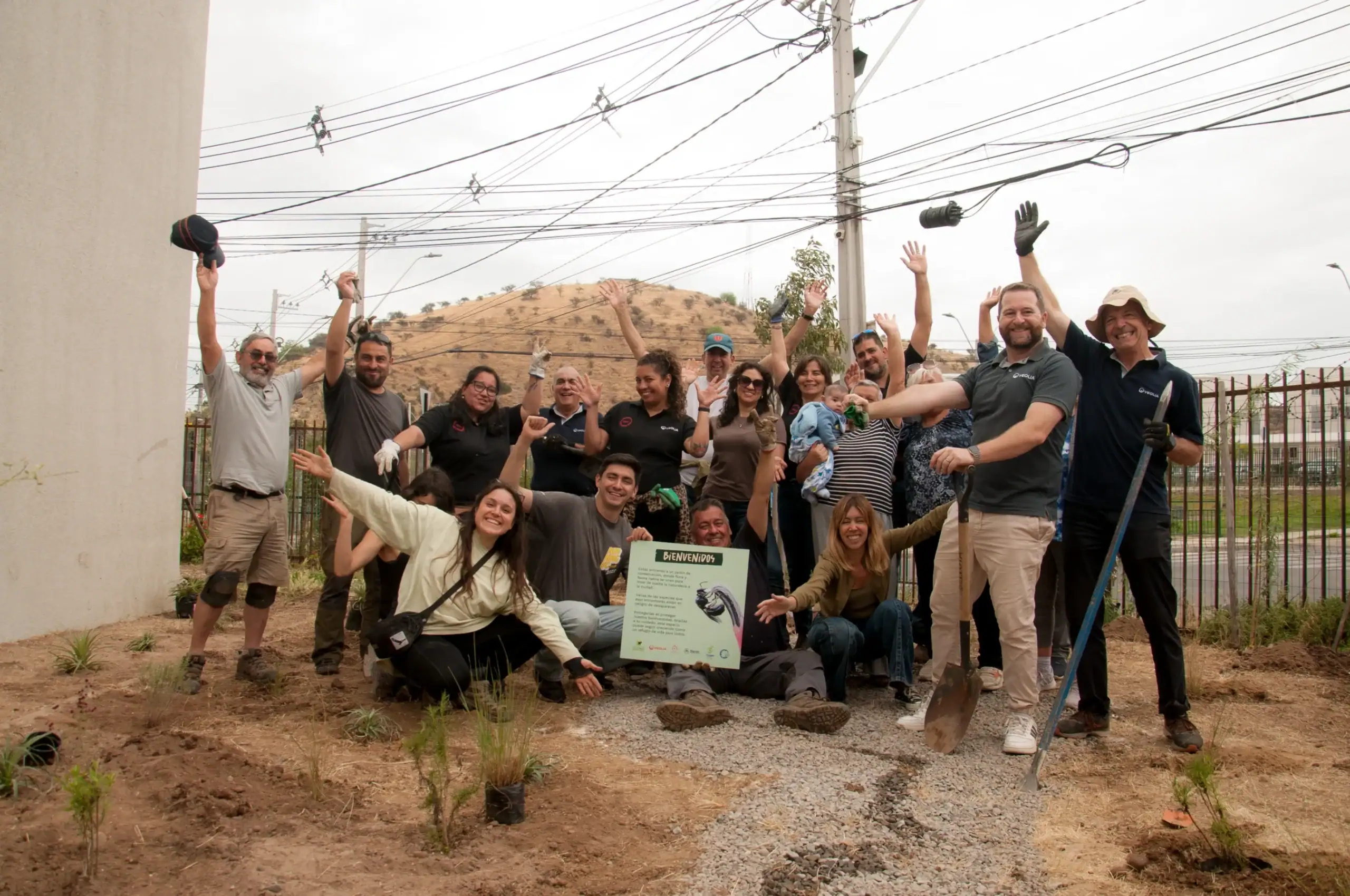
At Fundación Bioparque Buinzoo we understand conservation as an active process, where ecological design, applied knowledge and the participation of people are articulated to generate real changes in the territory. From this perspective, we were part of a socio-environmental intervention developed together with private sector actors and social organizations (Veolia, Consultora Iterar, Arteduca and Global Shapers Community Santiago), contributing from a perspective where conservation is transformed into action.
This experience allowed us to put into practice a way of working that seeks to integrate native biodiversity into urban spaces, not as a symbolic gesture, but as a planned action, with an ecological sense and projection over time.
Knowledge that translates into action
Our contribution focused on translating technical knowledge into concrete actions on the ground, ensuring environmental coherence and long-term operation. This work was expressed in:
- Selection of native species adapted to the local climate, prioritizing flora with low water consumption and capable of attracting urban fauna, such as birds and pollinating insects.
- Recommendations on soil restoration and plant management, aimed at promoting the survival, development and stability of planted species.
- Functional design of the intervened spaces, considering criteria such as shade generation, improvement of the microclimate, moisture retention and contribution to local biodiversity.
- Technical support for the intervention, promoting good planting practices, plant distribution and space planning.
More than planting, creating living systems
For us, this type of intervention is not just about incorporating vegetation, but about designing spaces that work ecologically and that can be maintained over time. Each technical decision responded to a logic of balance between nature and city, seeking to make biodiversity part of people’s daily lives again.
In addition, the incorporation of native plants propagated in our nursery was a key step in this intervention, since it allowed us to continue a complete process: from the care and development of species, to their integration into urban spaces where they fulfill a specific ecological function.
The process also included collaborative work with the community, involving more than 300 people including neighbors, families, organizations and volunteers. This participation allowed the space to be transformed into a place of encounter and learning, strengthening the sense of belonging, social cohesion and promoting a culture of caring for the environment that favors the use and protection of this space over time.
Advancing to a network of urban spaces with ecological value
This experience represents an important step in the development of a broader vision of urban conservation, where multiple interventions of this type can connect with each other and generate ecological and social benefits on a larger scale.
We continue working to transform these actions into a replicable, measurable and sustainable base, demonstrating that it is possible to integrate native biodiversity into the city in a planned, conscious way and with real impact.